
#

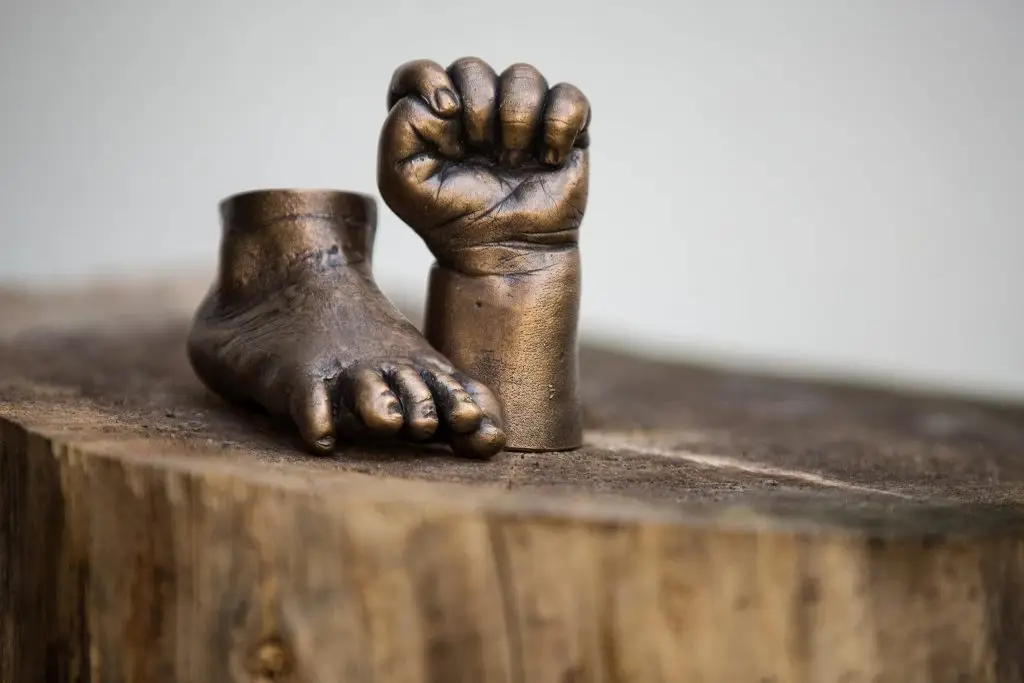

Why Baby Birth Weight Matters for Baby Casting Training
When I read about Harry and Harley Crane’s story, I was deeply moved. Born at just 22 weeks and five days at a Nottingham hospital, Harry weighed only 520g — about 1lb — at birth. Doctors believed him to be one of the most premature surviving babies in the UK. After almost five months in intensive care, his mother Jade described feeling like she’d “won the lottery” the day he finally came home.
As a mother of two babies who both waited until the very last day and weighed over 8lbs, I find it hard to imagine the fragility and strength behind such a tiny birth weight.
So, why does birth weight matter when learning baby casting training? A baby’s size, development and individual circumstances can affect how a professional approaches the casting process. This is particularly true when working with premature or very small babies.
In short: why does birth weight matter in baby casting?
Birth weight matters because it gives an indication of a baby’s size. But it’s only one of several factors a professional caster needs to consider. Prematurity, age, development and the individual baby all affect how a hand and foot casting should be approached. That’s why hands-on training with real babies matters so much.
Understanding Baby Birth Weight and Its Emotional Importance
The number on the scales at birth carries far more than just a measure of size. For families, a baby’s birth weight can become an important part of their story. It represents hope, struggle, relief and the beginning of a new life.
For premature babies especially, every gram can feel significant. Parents often remember this early detail forever — written on hospital cards, recorded in baby books, included on birth announcements or simply shared in those first precious conversations with family.
And when you create a casting for a family, you capture something incredibly personal.

Why Real Babies — Not Dolls — Are the Only Way to Learn This
This is why I only teach my baby casting training using real babies, never dolls.
A tiny premature baby can present very different considerations from an 8lb full-term newborn. Their size, development, skin and overall delicacy can all affect how you approach the casting process.
Over the years, I’ve worked with babies weighing less than 2lbs through to babies weighing well over 10lbs. Those experiences have taught me that there is never a one-size-fits-all approach to baby casting.
No doll can replicate the experience of working with a real baby’s tiny hand or foot. It can’t teach you how different babies feel to handle, how carefully you need to work, or how to adapt your approach according to the baby in front of you. That hands-on experience turns knowledge into genuine confidence and professional judgement.
What Students Learn About Birth Weight in Training
Birth weight is just one factor to consider. Understanding how a baby’s size and development affect the casting process matters just as much, and forms an important part of professional hand and foot casting training.
During my private 1:1 training, students learn:
- How a baby’s size affects the hand and foot casting process
- How handling needs to change for very small or premature babies
- How timing and materials vary depending on the baby and the piece being created
- How to approach casting safely and sensitively at every stage
- How to work with babies at different ages, from tiny newborns to older babies
- How to communicate with parents and create a calm, reassuring experience
- How to combine technical casting skill with the emotional weight of the keepsake being created
From Emotion to Skill: What My Students Discover
Many of my students tell me something similar: working with tiny hands for the first time is one of the moments during training when they really understand just how much there is to learn about professional baby casting.
Baby casting isn’t simply about making a mould. You work with a real baby, with a real family, and create something that may become one of their most treasured possessions. That takes technical skill, patience, confidence and — perhaps most importantly — sensitivity.
Students travel from across the UK and internationally to train with me. I believe this hands-on experience with real babies plays a huge part in becoming a genuinely confident professional.
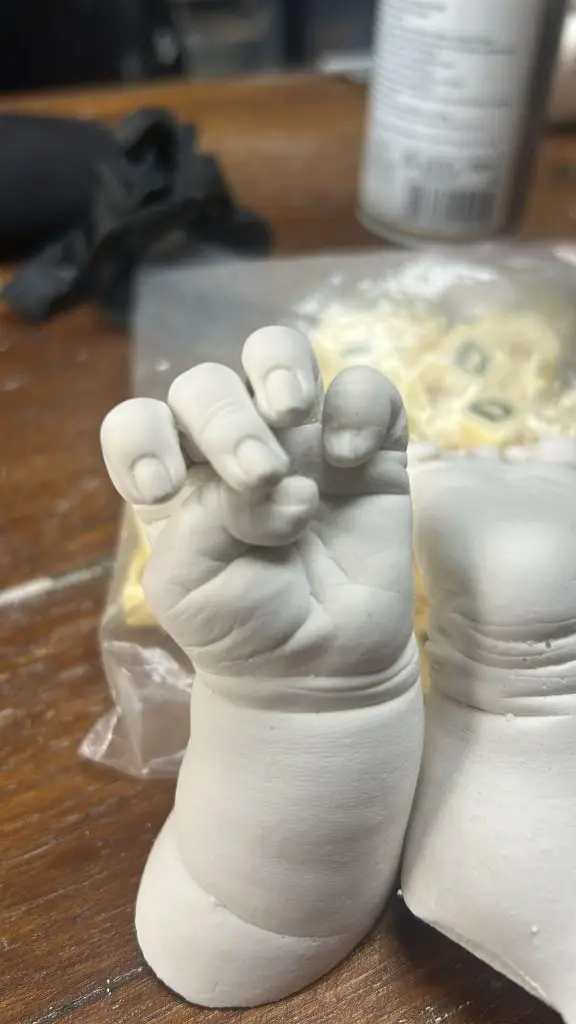
Ready to Learn Baby Casting Yourself?
If you feel drawn to this kind of meaningful work and want to learn how to cast babies safely, sensitively and professionally, my 1:1 baby casting training runs 1–3 days, from £550, and includes lifetime WhatsApp support.
Find out more about baby casting training here — I’d love to talk you through it.
Frequently asked questions
What is a normal baby birth weight?
Most full-term babies weigh between approximately 5.5 and 8.8lbs at birth. But every baby is different, and there’s a wide range of normal birth weights.
Why does baby birth weight matter for casting training?
Birth weight gives an indication of a baby’s size, but it’s only one factor to consider. A baby’s age, development and individual circumstances all play a part too — something I cover in depth during professional baby casting training.
Can premature baby birth weight affect casting?
Yes. Premature babies can need additional care and consideration. I cover this during hands-on baby casting training, helping students learn to adapt their approach rather than rely on a one-size-fits-all technique.
Why do you use real babies rather than dolls in training?
Working with a real baby gives students an understanding of practical considerations that no doll can replicate. Every baby is different, and learning to assess and adapt your approach is a vital part of becoming a confident baby casting professional.
How long does baby casting training take?
Most students train over 1 to 3 days, depending on the course they choose, with lifetime WhatsApp support included afterwards.